Younger Nissan of Frederick

Blog / Safety

Stay Safe With Defensive Driving Habits

  Have you ever had the experience of driving along, minding your own business, and then encountering a driver with SUCH bad manners (or bad driving habits) that it made you see red? It’s happened to all of us, but unfortunately that anger is super dangerous. Normally you’d say “hey, blog, you know that I am fueled by rage in my everyday life!” I will tell you that this is probably unhealthy, but it’s especially bad when you’re behind the wheel. Road rage is a serious problem that causes thousands of accidents per year. This is why we have put together this list of tips for avoiding road rage and making sure that you’re on the right track, no matter how many terrible drivers you encounter on the road.First, always plan for a delay on your trip. Even if you’re traveling a route that you’re super familiar with, the traffic on that route changes every second. You might have a totally clear drive one morning and then a clogged traffic jam the next morning. So, to avoid the anxiety and distress that often come from tardiness, plan for delays and leave early!When you are on the road, stay alert for people who have a tendency to tailgate. If you have someone who starts trying to drive directly up your tailpipe, move over and let them pass you at the first opportunity you have to do so safely. Wave them on if they need encouragement and don’t try to bait them by brake-checking or slowing down.Lay off the horn while you’re at it. Using your horn not only annoys other drivers when it’s done unnecessarily, it can make you upset as well! Seriously! So, try to only use that horn in case of emergency - if you need to tell someone to get off their phone when the light turns green or if someone’s driving dangerously, for example.If you get a little more upset than you might be comfortable with on your commute, try turning on some soothing music or soft talk radio to distract you a little and give your brain some calming vibes. It works!Finally, try to avoid other drivers who are road raging. Let them pass, don’t bait them, move around them - whatever works to get you out of their way. Let them be angry somewhere else… they shouldn’t ruin your drive with their bad attitudes!
Posted in:

Related Posts

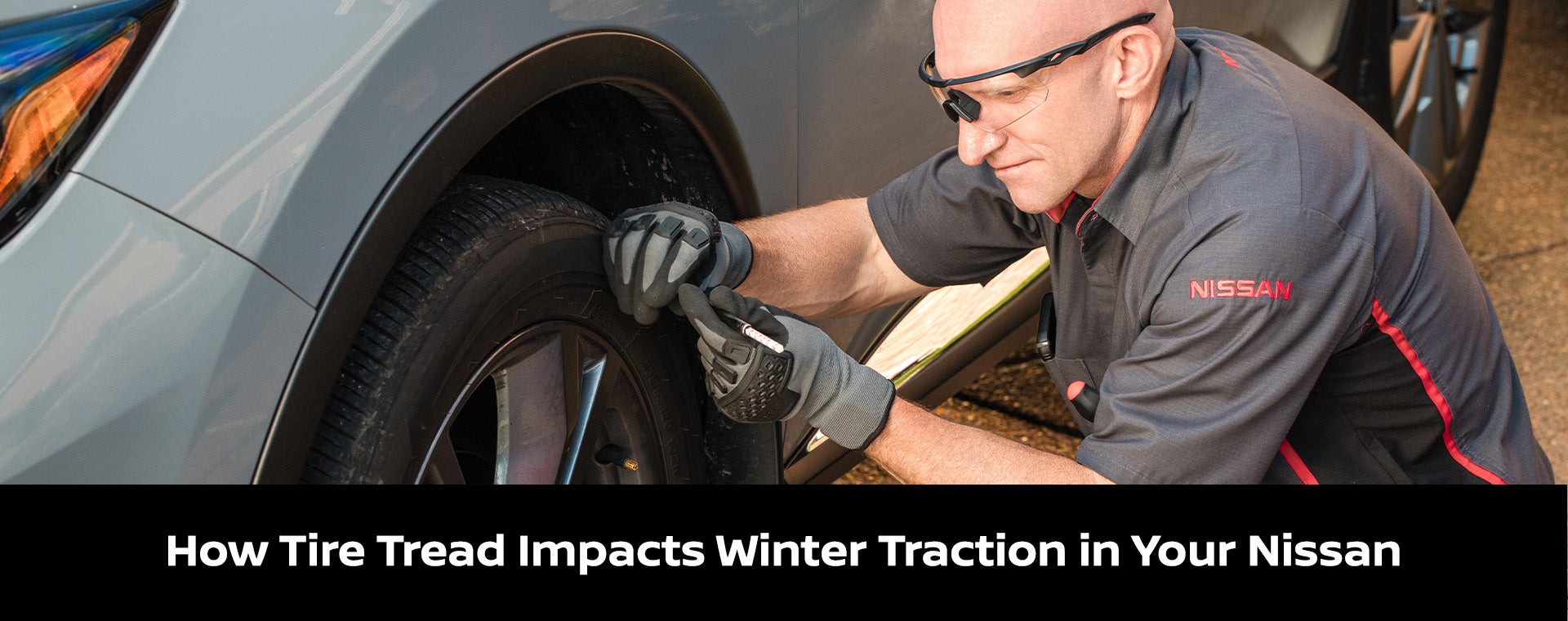
How Tire Tread Impacts Winter Traction in Your Nissan: What Frederick Drivers Should Know

How Tire Tread Impacts Winter Traction in Your Nissan: What Frederick Drivers Should Know

November in Frederick has a way of making ordinary drives a little less predictable. One morning you’re heading down Route 15 on dry pavement. The next, temperatures have dropped overnight, the windshield needs scraping, and the road looks suspiciously shiny near an intersection. It’s a good reminder that winter traction starts with your tires, and not just whether they’re labeled all-season or winter. The amount of tread left on your Nissan’s tires can make a noticeable difference in how well they handle rain, slush, snow and other slippery conditions. For drivers around Frederick, Urbana, Walkersville and Mount Airy, checking tire tread depth before winter arrives is one of the simplest ways to prepare for colder weather. Why Tire Tread Depth Matters More When Roads Get Slippery Tire tread isn’t just the pattern you see on the surface of a tire. Those grooves have a job to do. On wet pavement, they help move water away from the area where the tire meets the road. In snow, tread patterns and small cuts called sipes help create additional gripping edges. As tires wear down, those grooves become shallower, leaving less room to channel water and slush. That can make it easier for a tire to lose contact with the road, especially when you’re driving through standing water. It can also reduce traction when accelerating, turning or braking on snow-covered pavement. And here’s the important part: a tire doesn’t have to look completely bald to lose a meaningful amount of winter traction. That’s why tread depth deserves attention before Frederick sees its first significant snowfall, not just when the tires are visibly worn out. Is 2/32-Inch Tire Tread Enough for Winter Driving? In many states, including Maryland, 2/32 of an inch is the commonly recognized minimum tread depth for passenger tires. But reaching that minimum doesn’t mean a tire is well-equipped for winter conditions. By the time the tread gets that shallow, much of the tire’s ability to move water and slush away from the contact patch has already been reduced. A useful way to think about tread depth is: 6/32 inch or more: Generally offers more remaining tread for managing wet and snowy conditions, although tire design and condition still matter. 4/32 inch: A good point to seriously evaluate tire replacement before winter, especially if you regularly drive in rain or snow. 2/32 inch: At or near the legal minimum in many jurisdictions and not a comfortable margin for challenging winter roads. You can use a tread-depth gauge for a more accurate measurement, or ask a technician to inspect your tires during a service visit. The familiar penny test can help identify very shallow tread, but it doesn’t tell the whole story about whether your tires are ready for winter. Does All-Wheel Drive Help if Your Nissan’s Tires Are Worn? Available all-wheel drive is a great feature to have when the weather changes. Nissan SUVs like the Rogue and Pathfinder offer AWD systems designed to help distribute power when additional traction is needed. But there’s one important limitation: AWD doesn’t restore grip to worn tires. All-wheel drive can help your Nissan accelerate on slippery pavement, but braking and steering still depend heavily on the traction between your tires and the road. That means a Nissan Rogue with AWD and worn tires can still struggle to stop on an icy road. And a front-wheel-drive Nissan Sentra with healthy, appropriate tires may have better braking traction than you’d expect. Whether you’re driving a newer Nissan Rogue, Sentra, Frontier or a pre-owned Nissan Altima, maintaining proper tire tread is essential regardless of drivetrain. Cold Weather Can Change Your Tire Pressure, Too Tread depth isn’t the only thing to check as temperatures fall. Tire pressure typically drops by about one PSI for every 10°F decrease in temperature, which means a properly inflated tire in September may need attention by November. Underinflated tires can affect handling, fuel efficiency and tread wear. Over time, uneven wear may leave some areas of the tire with less usable tread than others. Before winter driving becomes part of your daily routine, check your tire pressure when the tires are cold and compare it with the recommendation on your Nissan’s driver-side door-jamb label. It’s also worth looking for uneven tread wear, sidewall damage and any unusual vibration or pulling while driving. Those issues may indicate that your tires need more than a simple pressure adjustment. Get Your Nissan Tires Checked Before Winter at Younger Nissan of Frederick You don’t need to wait for snow to find out whether your tires are ready for winter. A tread-depth measurement, pressure check and visual inspection can tell you a lot about how prepared your Nissan is for the months ahead. At Younger Nissan of Frederick, our team can help you evaluate your current tires and explore replacement options through our Nissan Tire Center. Whether you’re driving a Nissan Rogue, Sentra, Frontier, Altima or another Nissan model, we’ll help you understand what your vehicle needs. Explore our available services, check our Service & Parts Specials, or use our Schedule Service Appointment tool to plan a visit before winter weather arrives. Find us at 7418 Grove Road in Frederick, MD, proudly serving Nissan drivers throughout Frederick, Urbana, Walkersville, Mount Airy and surrounding communities. A few minutes spent checking your tire tread now could make a meaningful difference the next time the forecast changes.

BLOG_HEADER_3

Younger Nissan’s Safe Travel Tips For Your Furry Friend | Frederick, MD

The weather is beginning to warm up and drivers everywhere are hitting the road. And with that, we know you’re bound to want to enjoy those sunny days ahead with your furry friend. Younger Nissan wants to help make sure those adventures are safe for everyone. So, in this week's blog, we are sharing with you our safe travel tips for when it comes time to pack up the pooch and head out to the beach, park, or any other outdoor adventure. Check out our tips listed below and stop in to see our team for a test drive if you’re ready to upgrade before you hit the road! Younger Nissan’s Safe Travel Tips For Your Furry Friend: Always use a crate to keep them safe: Whenever you are traveling in your vehicle your pooch should always be secure inside his/ her crate. This is the safest place for them in the event of an accident. And make it comfortable for them and mitigate travel anxiety by adding a blanket, a toy they love, and any other items your doggo likes. Food, water, treats, medications: Always have water for your pet when you go out on excursions as it’s more than likely your dog will engage in a good amount of activity. Treats are always a good idea in case your fur baby needs a little extra incentive to listen to your commands. Depending on how long your trip is you may have to pack your pups dinner for the road. Don’t forget any medications that your dog might need along the way! Vet visits are key: Is your pet safe and healthy enough to travel? A product of the Covid quarantine process is that our pets have become very used to the household and can experience quite a bit of anxiety upon leaving. A quick visit to your vet can answer any/ all questions that you may have when it comes to traveling with your pet. This is especially important if your pet is on the older side. Getting your vet’s approval to travel is important! Take a potty break: Everyone could use a minute to stop, stretch our legs, and maybe use the bathroom. Treat your pooch to that same courtesy you do yourself. This will also allow your dog to keep calm throughout the ride as these walks will hopefully wear them out a bit. DON’T LEAVE YOUR POOCH IN THE CAR: This is putting your pet at risk for overheating and quite frankly, it’s not worth it. Unless your vehicle is parked in a secure, cool, covered parking garage - don’t leave them.

BLOG_HEADER_4

Winter Driving Tips For Nissan Drivers | Frederick, MD

It’s a snowy one out there, and your friends here at Younger Nissan of Frederick want to help make sure if you have to hit the road, you do it safely! We want to suggest staying off the roads and avoiding travel if possible, but we do understand that isn’t always possible. So, we invite all drivers to take a peek below at our winter driving tips and tricks! You might be used to snow, but that doesn’t make it any easier to get from point A to point B once the snow has fallen. Take some time to read through our tips for driving in the snow, everyday driving tips, and long-distance driving tips. It never hurts to refresh yourself on best practices to ensure a safer drive! If you were planning on stopping onto Younger Nissan of Frederick to shop for a new Nissan, don’t stress! Head over to our website to shop, value your trade-in, get pre-approved, and build your deal, all from the comfort of your own home with Younger Express Purchase! Have any questions or concerns? Give us a call today! Tips For Driving In The Snow: Accelerate and decelerate slowly. Applying the gas slowly to accelerate is the best method for gaining traction and avoiding skids. Drive slowly. Everything takes longer on snow-covered roads. Accelerating, stopping, turning – nothing happens as quickly as on dry pavement. Give yourself time to maneuver by driving slowly. The normal dry pavement following distance of three to four seconds should be increased to eight to ten seconds Know your brakes. Whether you have antilock brakes or not, the best way to stop is threshold braking. Don’t stop if you can avoid it. Don’t stop going up a hill. There’s nothing worse than trying to get moving up a hill on an icy road. Make it know what kind of driving assistance you have (AAA, Roadside Assistance, etc.) Everyday Driving Tips: Avoid driving while you’re fatigued. Never warm up a vehicle in an enclosed area, such as a garage. Make certain your tires are properly inflated. Keep your gas tank at least half full to avoid gas line freeze-up. If possible, avoid using your parking brake in cold, rainy, and snowy weather. Do not use cruise control when driving on any slippery surface (wet, ice, sand). Always look and steer where you want to go. Use your seat belt every time you get into your vehicle. Long-Distance Driving Tips: Watch Weather Reports Service your vehicle before hitting the road Keep at least half a tank at all times If you become snow-bound, stay with your vehicle. It provides temporary shelter and makes it easier for rescuers to locate you. Tie a brightly colored cloth to the antenna or place a cloth at the top of a rolled-up window to signal distress, if needed. Make sure the exhaust pipe isn’t clogged with snow, ice, or mud if you slide off the road